
Selecting a kids’ ride-on car for your commercial play zone, family entertainment center, or amusement park is a significant decision. It’s an investment in fun, safety, and customer satisfaction. To make an informed choice, it’s crucial to understand the key components that define quality, durability, and performance. Let’s break down the five essential parts of a ride-on car and what to look for in each.
1.Body: The First Impression
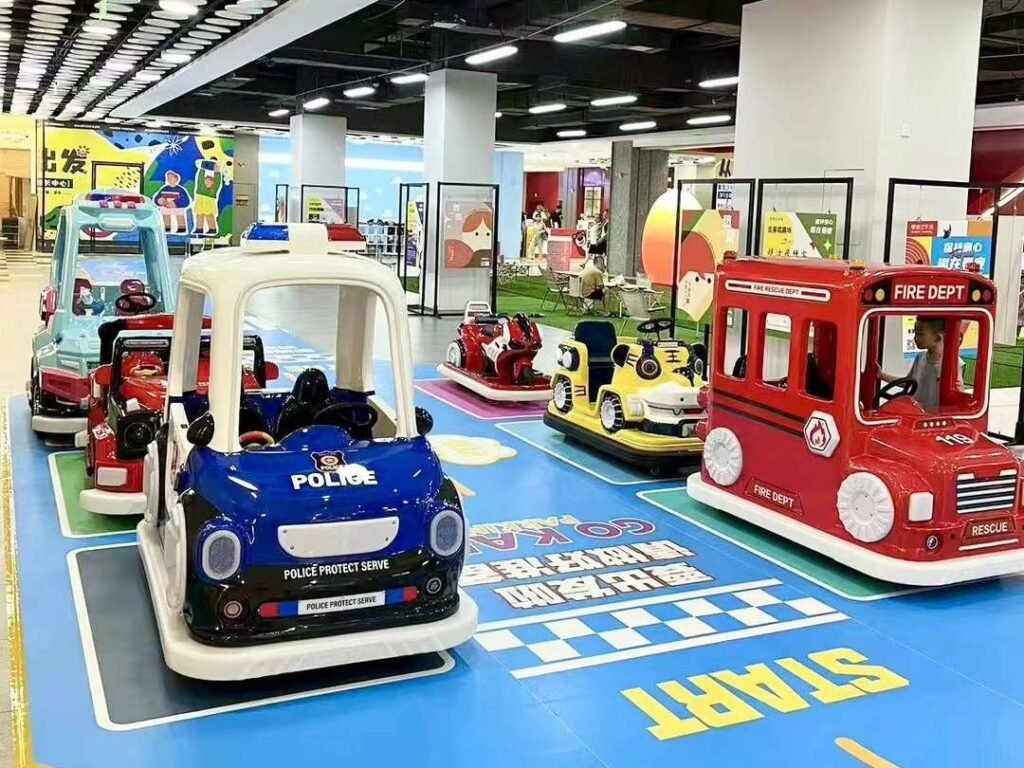
The body is the car’s shell, dictating its visual appeal and long-term resilience.
●Fiberglass (FRP):
This is the premium choice for mid-to-high-end models. Fiberglass bodies are exceptionally sturdy, allowing for intricate and diverse designs. They are typically painted with automotive-grade paint, making them highly resistant to fading, weathering, and minor scratches. A significant advantage is that small scratches can be professionally touched up, keeping the car looking new for years. Ideal for: Shopping malls, upscale plazas, and theme parks where aesthetics and durability are priorities.
●Plastic:
Plastic bodies are a budget-friendly option. However, they are more susceptible to damage from prolonged sun exposure (UV rays), which can cause fading, brittleness, and cracking. Once cracked or deeply scratched, plastic bodies are difficult or impossible to repair effectively. Ideal for: Temporary setups, seasonal fairs, or low-budget venues like small farmsteads or local carnivals.
●Recommendation:
For a long-term investment that maintains its curb appeal, fiberglass is overwhelmingly the better choice.
2. Chassis: The Backbone of Safety
Think of the chassis as the car’s skeleton. Its strength is non-negotiable for safety.
●High-Quality Chassis:
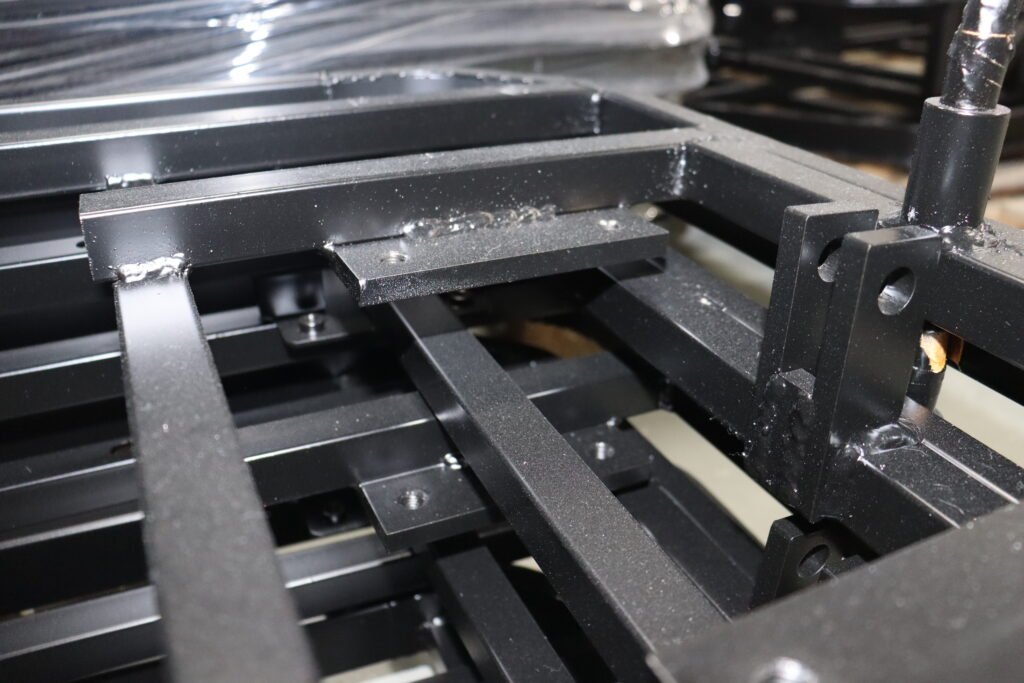
A robust chassis is constructed from square steel tubing with a recommended wall thickness of at least 2mm and a width of 2.5cm or more. This construction provides immense structural integrity, ensuring the car remains stable and safe under constant use and weight.
●Low-Quality Chassis:
Be wary of models that use L-shaped metal strips or angle iron as the main frame. These are significantly weaker and prone to bending or warping over time, especially under heavy loads. This deformation compromises the vehicle’s safety and handling.
●Recommendation:
Always inquire about the chassis material and construction. A strong square tube frame is a hallmark of a safe, durable ride-on car.
3.Motor: The Heart of Performance
The motor determines the car’s power, speed, and ability to handle different terrains.
●Common Motor Types:
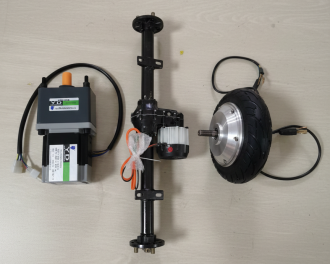
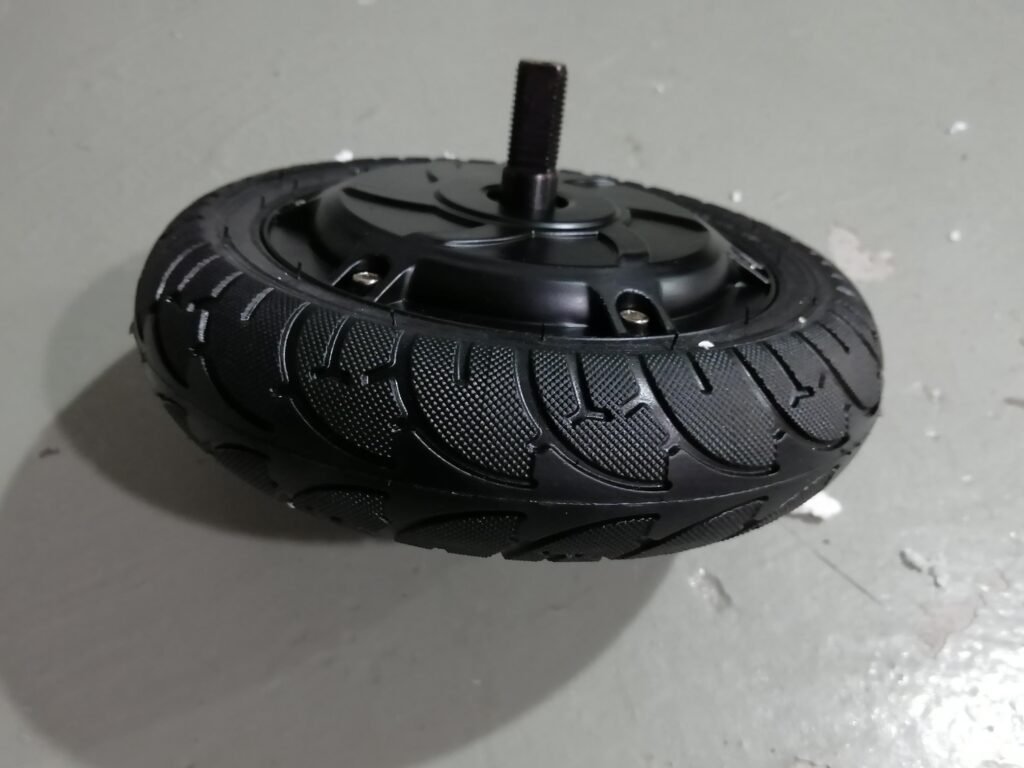
○350W Hub Motor: Integrated into the wheel; sufficient for small, lightweight models used indoors.
○350W/500W Independent Motor: Offers more torque than a hub motor.
○500W/800W Rear Axle Motor: The powerhouse option. Provides the strongest torque and best performance for larger, heavier cars, especially on outdoor terrains with slight inclines.
●Selection Guide:
Match the motor power to the car’s size and intended use. For outdoor applications, opt for a higher-wattage motor (500W and above). This ensures smoother acceleration, better load-carrying capacity, and a more enjoyable driving experience on varied surfaces.
4. Battery: The Source of Endurance
The battery system dictates how long the fun can last between charges.
●Specifications:
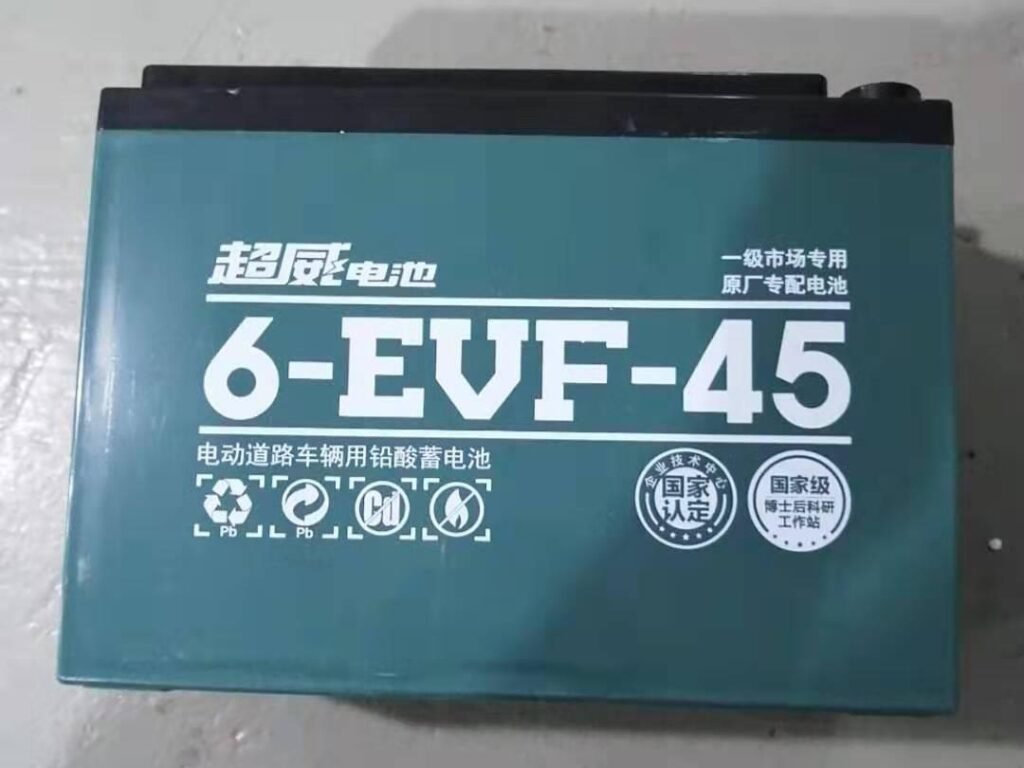
Batteries are typically 12V, with common capacities being 20Ah or 45Ah. Cars may use 2 or 4 of these batteries.
●Key Considerations:
Capacity (Ah) directly affects run time. However, brand and quality are critical. A reputable brand’s battery can last 2 years or more with proper care. Cheap, no-name batteries may degrade within 6-12 months, leading to frequent replacements, dissatisfied customers, and higher long-term costs.
●Recommendation:
Always choose models with branded, high-quality batteries. It’s a crucial factor for operational efficiency and lower total cost of ownership.
5.Wheels: The Connection to Comfort
Wheels affect ride smoothness, traction, and suitability for different surfaces.
●Indoor Use:
Standard 8-inch rubber wheels are generally adequate for smooth, flat indoor floors.
●Outdoor Use:
This is where wheel choice matters most. Larger vacuum (air-filled) tires (12″, 14″, or 16″) are highly recommended. They act as natural shock absorbers, drastically reducing bumpiness and providing a much smoother, more comfortable ride on asphalt, concrete, or slightly uneven ground.
●Red Flag:
Avoid models with very small (e.g., under 6-inch), hard, low-quality plastic wheels, often found on ultra-cheap models. They offer a poor, jarring ride and wear out quickly.
Final Checklist for Your Purchase:
●For upscale, durable appeal: Fiberglass Body + Square Tube Chassis.
●For outdoor performance: Higher-wattage Motor (500W+) + Large Vacuum Tires.
●For longevity & less downtime: Brand-Name Batteries + Quality Wheels.
By prioritizing these components, you’re not just buying a toy; you’re investing in a reliable, safe, and popular attraction that will deliver smiles and returns for seasons to come.