
When I first started looking for a new children’s attraction for my venue, I had four very simple questions in mind:
1.Will kids actually like it?
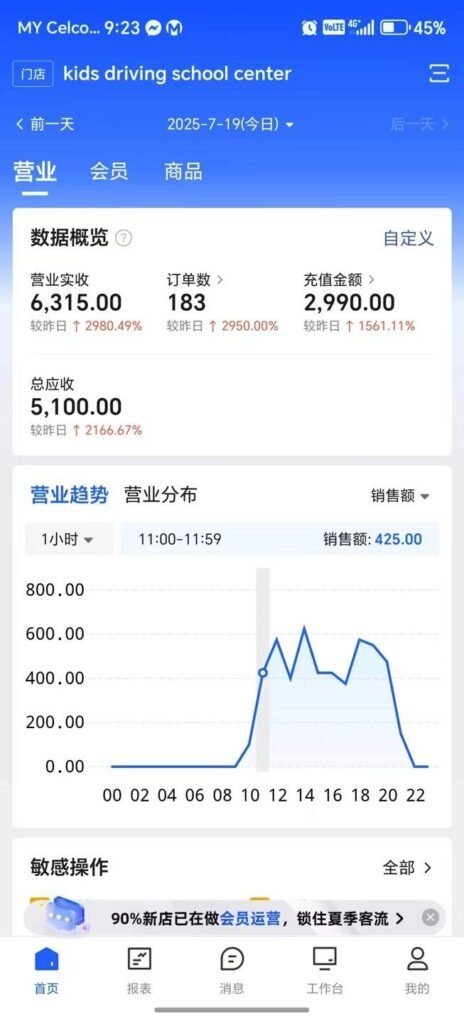
2.Can I really make money from it?
3.Is the equipment stable and safe enough for daily operation?
4.What happens when something breaks – is after-sales service reliable?
After running my Kid’s Driving School Center project for a while, I can now share my personal experience with you.
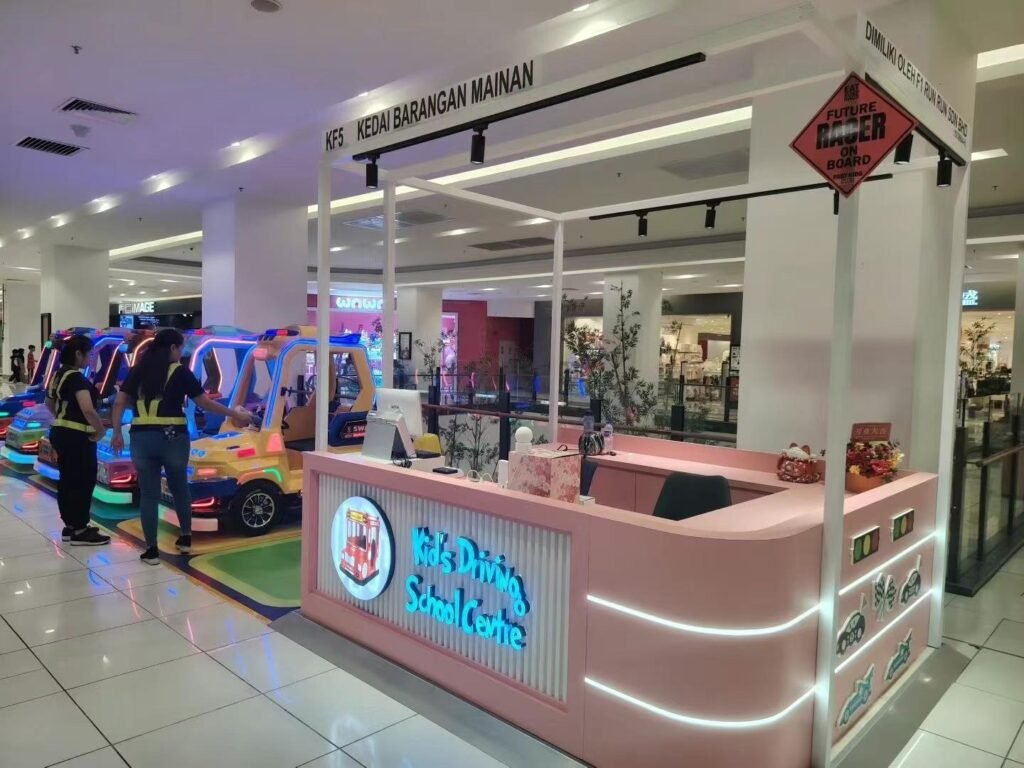
1. Why I Started Looking for a New Project
Like many operators of family entertainment centers, malls and indoor playgrounds, I was facing a few challenges:
- ●Traditional rides were losing their appeal
- ●Parents were asking for more educational activities
- ●I needed a project that could generate steady revenue, not just look good in photos
That’s when I came across the concept of a Kids’ Traffic Simulation Car Town – a small “city” where children drive electric cars, follow traffic rules and learn road safety through play. It sounded interesting, but I was still skeptical.
2. Will Kids Really Be Attracted to This?
Before investing, my biggest concern was:
“If I put this in my venue, will children line up to play, or will it be empty?”
In reality, the reaction from children was stronger than I expected.
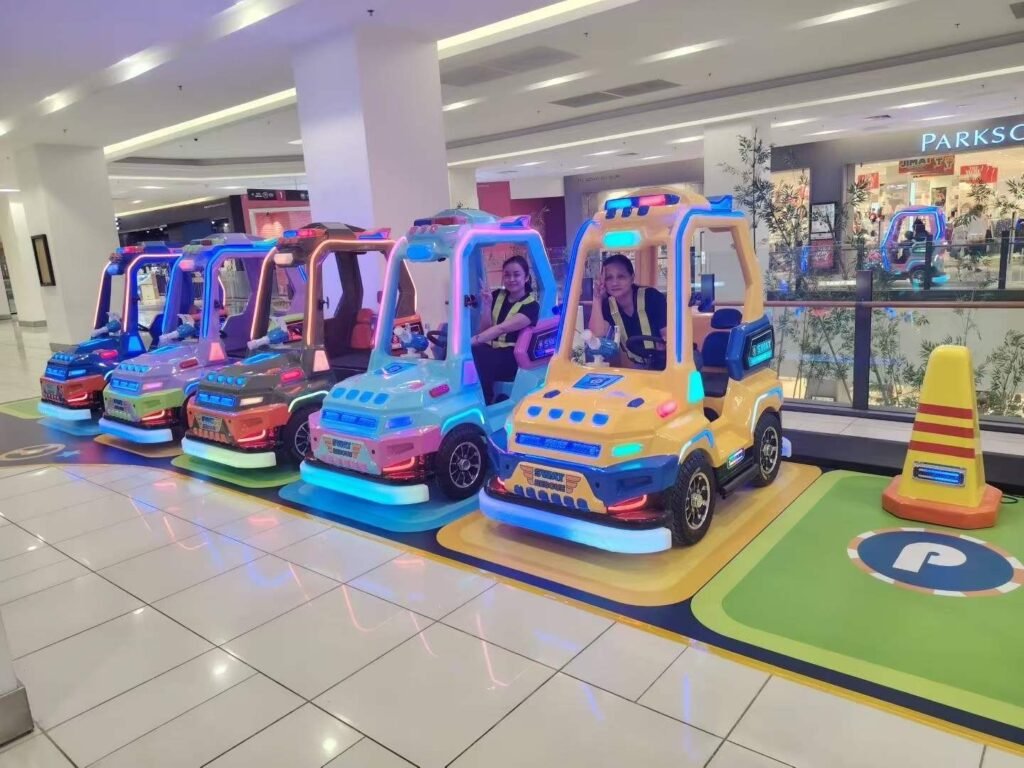
- ●The colorful battery cars immediately catch their attention – many kids run over as soon as they see the cars moving.
- ●The road layout with traffic lights, zebra crossings and game center station makes them feel like they are driving in a real city.
- ●Parents like to take photos and videos when their child is “driving,” which actually brings us more exposure on social media.
We’ve seen many children play, leave, and then come back again on the same day. Some parents even told us their child specifically asked to visit our venue “to drive the car again”.
From a pure attraction point of view, I can say:
✅ Yes, it does attract children – and it also wins the approval of parents.
3. Can I Actually Make Money With This Project?
The second question is always about money.
Every venue has different ticket pricing and visitor numbers, but I can share the general business logic that worked for us:
- ●Each driving session is around 8–10 minutes
- ●We charge a ticket fee per session (you can also design member packages)
- ●The ride appeals mainly to children aged 3–10, which is a strong spending group for families
What I like about this project is that:
- ●Once the site is set up, daily operating costs are relatively low (mainly electricity, staff and normal wear-and-tear)
- ●When the venue has good traffic, the utilization rate of the cars can be quite high throughout weekends and holidays
- ●Because parents see it as an educational experience, they are less sensitive to small price differences compared to simple playground equipment
Of course, every operator’s numbers will be different, but from my own experience:
✅ The Kids’ Traffic Car Town is not just a “nice decoration” – it is a real revenue-generating project.
4. Is the Equipment Stable and Safe Enough?
Another thing I worried about at the beginning was equipment reliability. A ride that breaks down often is worse than having no ride at all.
After actually running the project, here’s what I found important:
- ●The mini cars use fiberglass bodies and feel solid, not flimsy
- ●The structure and materials are designed for frequent daily use
- ●The traffic signs, lights and props are fixed securely and can handle children’s repeated contact
In daily operation, what matters is not just how it looks on the first day, but:
- ●Do the cars still run smoothly after hundreds of rides?
- ●Are there any safety issues when kids bump slightly or brake suddenly?
So far, the equipment has been stable in operation. We do basic checks and routine maintenance, and the system runs smoothly during busy weekends.
From my own viewpoint:
✅ As long as you choose a manufacturer with proper materials and production standards, the project can run safely and stably for the long term.
- 5.How About After-Sales and Maintenance?
No matter how good the equipment is, in a long-term project, small issues will always appear:
●A car might need adjustment
●A part might wear down after months of use
●Staff might need guidance on operation or troubleshooting
This is where after-sales service becomes crucial.
In my case:
●The supplier provided installation guidance and operation training
●When we had small technical problems, their after-sales team responded quickly with solutions
●For parts that needed replacement, they could supply them and guide us on how to install
This support gave me more confidence to continue investing in and promoting this project, because I knew I wouldn’t be left alone once the equipment was delivered.
From a business owner’s perspective:
✅ You’re not only buying equipment – you’re also choosing a long-term partner to support your daily operation.
6. What I Would Tell Other Business Owners
If you are considering a Kids’ Traffic Car Town for your own venue, here are my honest suggestions:
- ●Check if your customer group fits
- ●If you have a lot of families with children aged 3–10, this project can be a strong attraction.Think about your space and layout
- ●A good route design makes the experience smoother and safer, and allows you to serve more children at the same time.Ask detailed questions about materials, safety and after-sales
- ●Don’t only look at the price. Ask how the cars are made, what materials are used, and what support you’ll get after installation.Treat it as a long-term business, not a one-time purchase
With proper planning and support, a Kids’ motro city can become a core attraction that continuously brings families and revenue to your venue.
Final Thoughts
From my personal experience as an operator, a Kids’ Traffic Car Town:
- ●Attracts children and satisfies parents
- ●Provides real income potential, not just visual impact
- ●Can run safely and stably with the right equipment
- ●Works best with reliable after-sales support
If you are interested in this type of project, I would recommend talking directly with a professional supplier, sharing your site size and business goals, and asking for a custom layout and investment plan.
It helped me make a confident decision—and it might help you too.